Identifying Vehicles for Transition
 21/06/2026
 15 minutes read
Did you know? The number of battery electric vans has grown by 34.6% to exceed 100,000 for the first time, with 113,256 now supporting businesses across the country, representing 2.2% of vans in service (as of April 2026).
At the same time, 79% of diesel vans analysed by Northgate could be successfully switched to an EV, highlighting the growth in electric van technology across the industry.*
Addressing the EV myths holding you back
Despite the building momentum, some common EV concerns still exist, such as charging infrastructure, battery life, and range anxiety. However, a better understanding of how EVs work, combined with advancements in electric vehicle range, improved charging networks, and real-world adoption, is helping to address these hurdles directly.
The benefits of EVs are also becoming clearer for businesses. Electric vehicles are up to 59% less likely to require a breakdown call-out than traditional internal combustion engine (ICE) vehicles due to having fewer moving parts. Alongside this, EVs support carbon reduction goals, can strengthen bids and tenders, offer a smoother driving experience, and may deliver fuel and running cost savings over time.
With these advantages in mind, the key question for many businesses is not if they should transition, but which vehicles to transition first.
How to successfully choose vehicles for EV replacement
Fleet electrification isn’t a universal process. What works for one business may not work for another, which is why identifying the right vehicles is key.
The importance of a detailed fleet audit
The first step is understanding how your fleet operates today. A detailed fleet audit helps identify which vehicles are best suited to electrification.
Key factors to analyse include:
- Journey profiles – daily mileage and route patterns.
- Dwell time – how long vehicles are stationary and available for charging.
- Overnight locations – depot-based or at drivers’ homes.
- Payload requirements – ensuring EVs can meet operational demands.
- Utilisation rates – how frequently vehicles are used.
Picking the right vehicles for transition
By comparing your fleet’s operational data with EV capabilities, you can begin to identify vehicles that naturally fit within current range and charging limits.
For many businesses, this often includes:
- Urban and regional delivery vehicles.
- Service vans with consistent daily routes.
- Vehicles returning to base or home each day.
Taking a phased approach and starting with the most suitable vehicles builds company-wide confidence and minimises disruption, which in turn helps secure maximum buy-in from your drivers.
Why driver buy-in is key to a successful transition
Your drivers play a critical role in a successful EV transition. A driver audit can help answer key questions:
- Can drivers charge at home?
- Do they need EV training or support?
- What concerns or perceptions do they have about EVs?
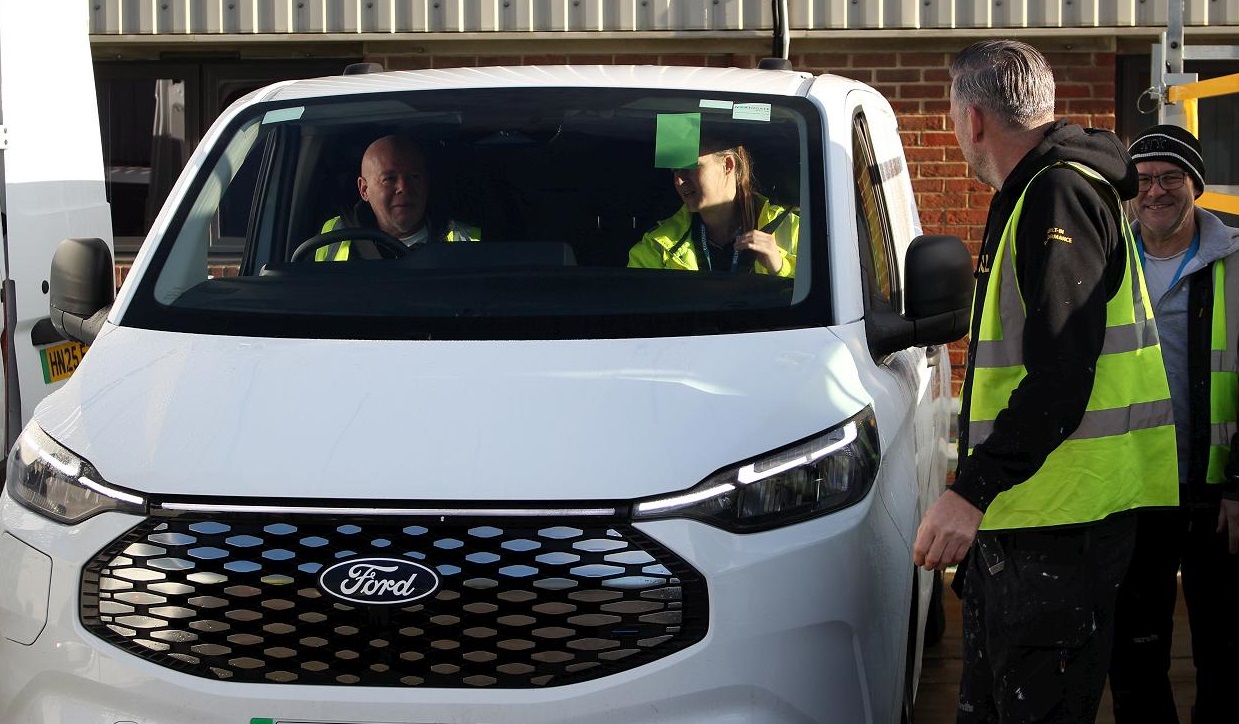
Gaining driver buy-in early is essential. Providing training and hands-on experience can help build confidence, improve efficiency, and ensure a smoother transition overall. Did you know? 63% of drivers who have test-driven an EV say they would choose an EV again.
Driver reimbursement can be a major concern when transitioning to EVs, but simplifying the expenses process can help remove barriers and build driver confidence.
By making EV charging payments as straightforward as using a fuel card across home, workplace, and public charging, drivers are less likely to be out of pocket and more likely to support the switch.
Financial considerations
While upfront costs are often a concern, it’s important to look at the total cost of ownership (TCO) when assessing EVs.
Key factors include:
- Lower maintenance costs and fewer breakdowns.
- Cheaper cost-per-mile running costs compared with diesel when charged at home.
- Government grants and incentives.
- Potential tax and compliance benefits.
Over the course of the vehicle’s lifecycle, these factors can make EVs a cost-effective and future-ready choice for many fleets.
Northgate takes the hassle out of EV transition
For smaller fleets, Northgate can carry out a suitability analysis to assess your readiness for EVs, analysing your data and providing expert recommendations so you can focus on running your business.
For larger fleets or more complex operations, our Drive to Zero consultancy provides access to dedicated EV specialists who assess every aspect of your operation. From infrastructure planning and cost modelling to long-term strategy, we deliver tailored, data-driven recommendations to help you build a clear business case for EV adoption over the next 3–5 years.
No matter where you are on your journey, the key is to start with the right vehicles and a plan that works for your business.
*Vehicles analysed between 01/07/2024 and 01/08/2025 using the Drive to Zero platform and driver/journey information provided by fleets.
A vehicle is EV Ready if its average daily access to charging is greater than its average daily consumption on a winter day. Average daily access to charging is measured as the total kWh it could charge at home, work, or public destination locations during its typical dwell times (i.e. with no operational downtime).



Supporting mhs homes' EV transition
Northgate worked closely with mhs homes’ operational teams to support their EV transition which began with replacing 30 ICE vehicles with EV alternatives.
As part of their ESG strategy, mhs homes has set clear targets: 40% of their commercial van fleet is to be electric by 2030 to reduce carbon emissions and improve long-term sustainability. Focus then shifted to engaging key stakeholders and drivers to build confidence, and enable the next phase of the journey through a full EV consultancy solution.